

A Sky Full of Stars
When was the last time you looked up and saw a sky filled with stars? Not just a few familiar constellations, but thousands of sparkling points of light stretching from horizon to horizon?
In the Upper Peninsula, that experience is closer than you might think. With vast forests, remote shorelines and relatively little light pollution, the U.P. is one of the Midwest's most rewarding destinations for stargazing.
From the Milky Way to meteor showers, there's something extraordinary to see overhead in every season.
Why is the Upper Peninsula so good for stargazing?
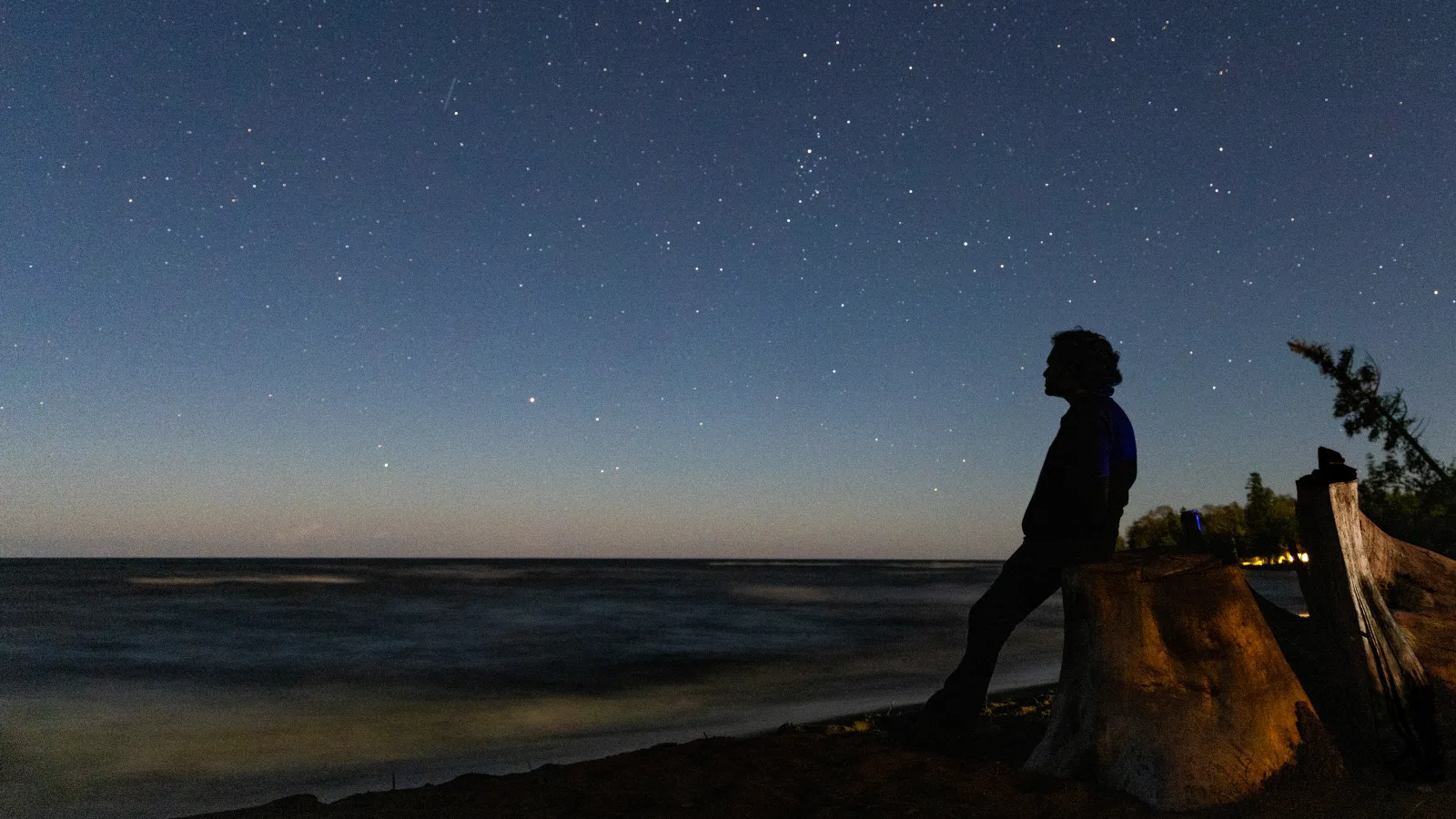
Much of the Upper Peninsula is covered by forests, lakes and undeveloped land, with relatively few large population centers. That means less artificial light to wash out the stars.
On a clear, dark night, you may see thousands of stars, familiar constellations and the Milky Way stretching overhead. You don't need a telescope or any special equipment to enjoy the view.
The U.P.'s three Great Lakes shorelines, inland lakes and remote parks offer plenty of places to escape city lights and experience the night sky.
When is the best time to go stargazing in the U.P.?
You can stargaze in the Upper Peninsula year-round. The best conditions are clear skies, minimal light pollution and little or no moonlight.
Summer
Summer offers comfortable evenings and opportunities to see the Milky Way's bright central region.
Fall
Fall brings longer nights and cooler weather.
Winter
Winter can offer wonderfully dark skies, although clouds, snow and cold temperatures require more planning.
Plan around the moon
For the darkest skies, plan your outing around a new moon, when moonlight won't compete with faint stars and other celestial objects.
What might I see in the Upper Peninsula's night sky?
There's much more to stargazing than identifying the Big Dipper. Depending on the season, weather and time of night, you may be able to spot planets, constellations, meteor showers and the Milky Way.
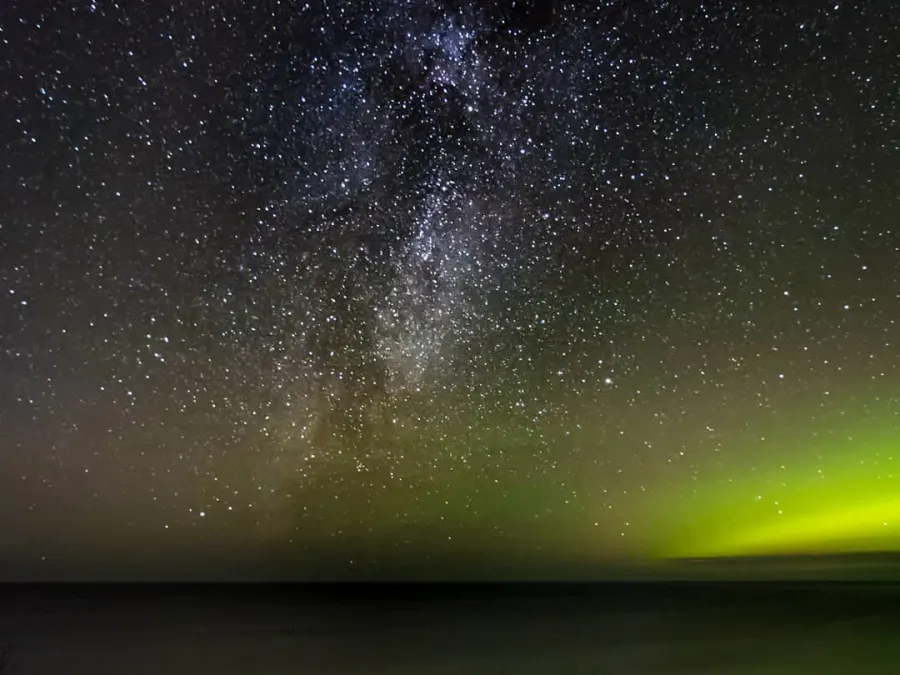 Photo: Earthtones Photography
Overhead on dark summer nights
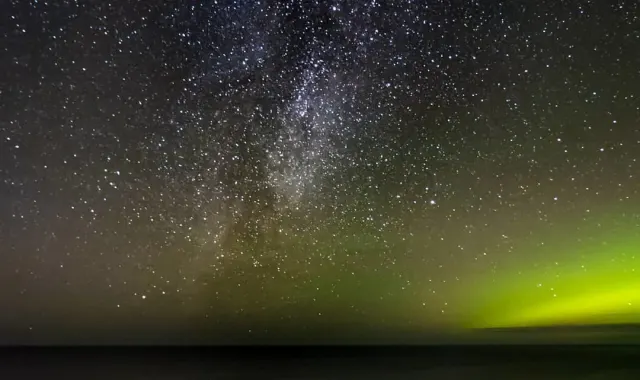
The Milky Way
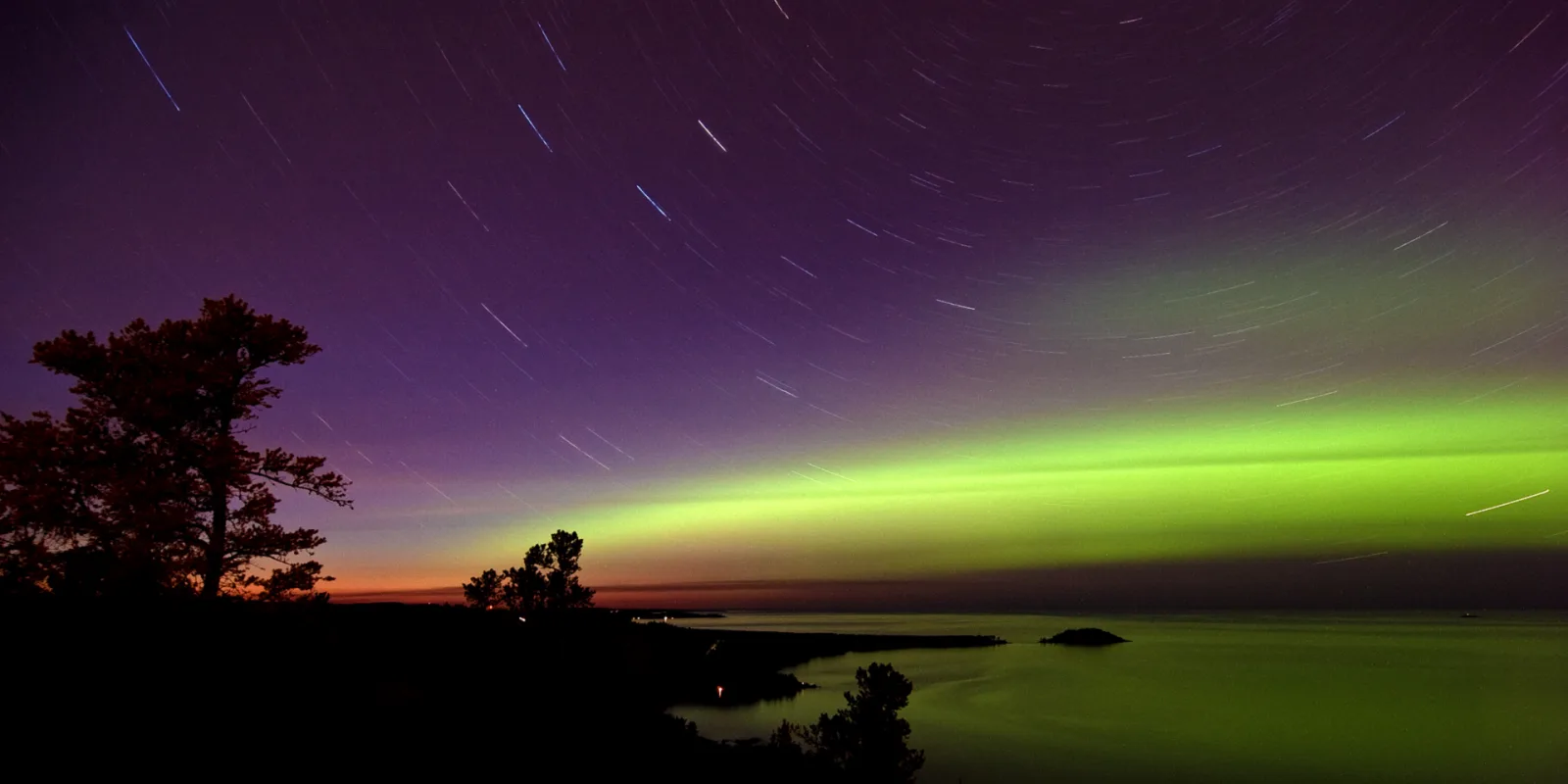
One of the most impressive sights in a truly dark sky is the Milky Way, our home galaxy. It appears as a pale, luminous band stretching across the sky, with countless stars and clouds of interstellar dust.
The brighter central region of the Milky Way is most prominent in the U.P.'s evening sky during the warmer months. Choose a clear night near the new moon and find a location away from artificial lights for the best view.
Several times a year
Meteor Showers
Several annual meteor showers offer opportunities to watch streaks of light flash across the sky. The Perseids in August and Geminids in December are among the best-known, although moonlight and weather affect viewing conditions.
You don't need a telescope. Find a dark, open location, settle into a reclining chair or blanket and give your eyes time to adjust.
- Perseids August
- Geminids December
Every season
Constellations & Planets
The Big Dipper, part of Ursa Major, is a familiar sight in northern skies, while constellations such as Orion become prominent during winter evenings.
Bright planets may also be visible without a telescope, depending on their positions throughout the year. A sky map or astronomy app can help you identify what you're seeing.
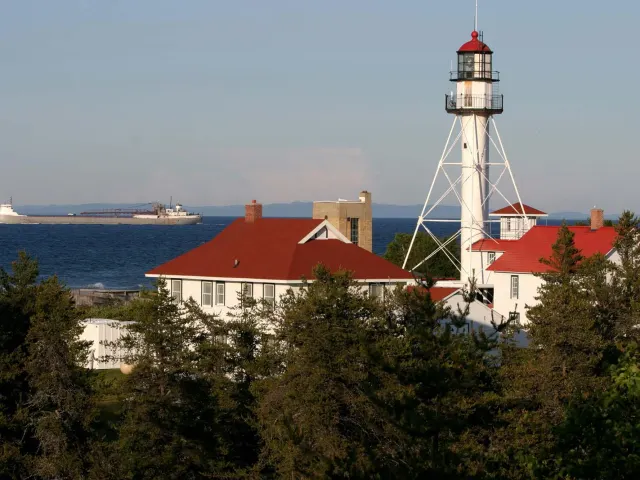
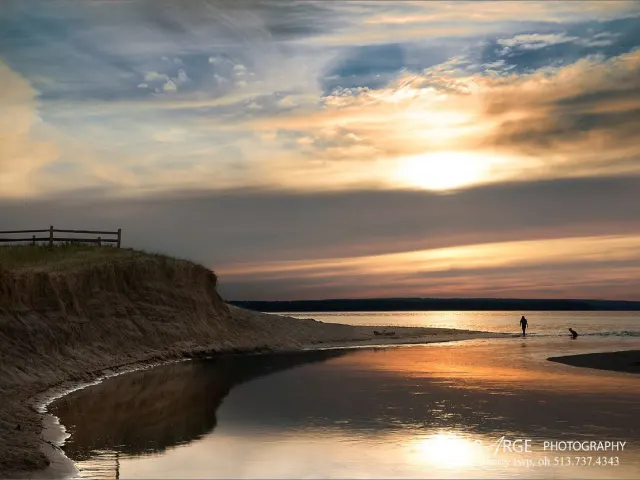
Where are the best places to go stargazing in the Upper Peninsula?
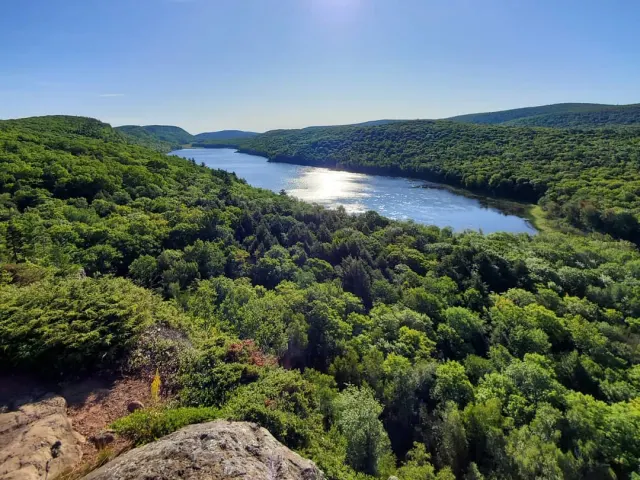
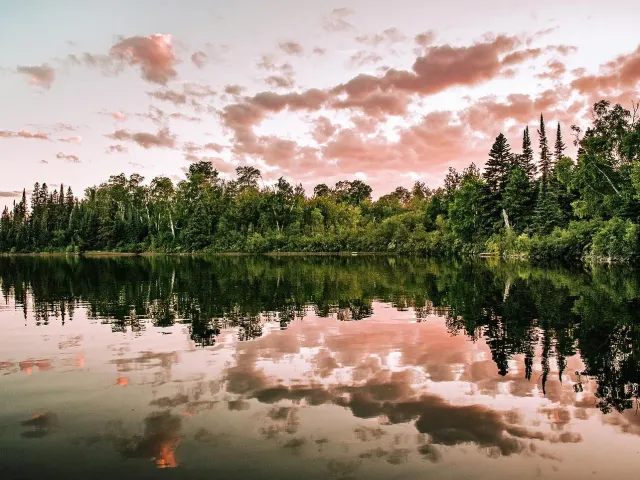
You can enjoy the stars almost anywhere in the U.P. away from bright lights, but some locations offer especially memorable settings.


Planning tips
Do I need a telescope to go stargazing?
No! Some of the most impressive night-sky sights are best enjoyed with the naked eye.
For your first outing, simply find a dark place, look up and give your eyes 20–30 minutes to adjust. You'll gradually notice fainter stars that weren't visible when you first arrived.
Binoculars are a great next step if you'd like a closer look at star clusters or the Moon. A telescope can reveal even more detail, but it's not necessary for an unforgettable stargazing experience.
Give your eyes time
Arrive10 min20–30 min
How can I find the darkest skies for stargazing?
Start by getting away from streetlights, buildings and other sources of artificial light. Even a short drive outside a town can noticeably improve your view.
A light-pollution map can help you identify darker areas, while the National Weather Service can help you check cloud cover and weather conditions.
Pay attention to the Moon, too. A full moon can illuminate the landscape beautifully, but its brightness makes faint stars and the Milky Way harder to see. For deep-sky viewing, choose a night close to the new moon.
What should I bring for a night of stargazing?
Comfort is key, especially when you plan to spend an hour or more outside.
Bring warm layers, a blanket or reclining chair, water and a red-light flashlight to preserve your night vision. A printed star chart or astronomy app can help you identify constellations and planets.
If you're traveling to a remote location, check road conditions and access restrictions ahead of time. Stay on established trails and viewing areas, and keep artificial lighting to a minimum so other visitors can enjoy the stars, too.
Checklist
- Warm layers
- Blanket or reclining chair
- Water
- Red-light flashlight
- Star chart or astronomy app
- Road conditions and access checked
Plan Your Night-Sky Trip
Some of the U.P.’s most memorable moments happen after dark. Book a stay, settle in under the stars and discover why the best nights are worth staying up for.